 Skip to content

Mastering Clothing Measurements is the foundation of well-fitting garments and fruitful generation in the fashion industry. Whether you are a rising designer or a set-up brand, understanding how measurements work guarantees your garments fit well, feel comfortable, and meet the desires of today’s clients. In a fast-moving showcase where competition is high, acing estimations is essential for reducing item returns, improving customer fulfillment, and maintaining consistent performance over collections.
At techpack.uk, we practice making detailed tech packs that include precise measurement charts, technical drawings, and construction details. These apparatuses back smooth dress fabricating and improve communication with clothing manufacturers in the UK. In this direct, you will learn why accurate measurements are significant and how to actualize them effectively over your fashion line.
Why Clothing Measurements Matter
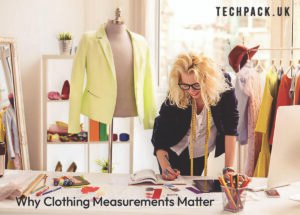
Clothing measurements are more than fair numbers on a chart—they characterize how a garment fits, moves, and drapes on the body. Indeed, the most outwardly engaging design will fall short if the measurements are wrong. When measurements are rectified, the result is a high-quality garment that matches the designer’s vision and meets the customer’s expectations.
Accurate measurements matter since they guarantee garments fit as expected. Reliable sizing helps construct belief with customers and diminishes the likelihood of returns, which can be expensive for any design commerce—clear measurements to back effective communication during clothes manufacturing. When working with clothing manufacturers in the UK, having exact details helps avoid disarray, delays, and superfluous test corrections. At long last, exact measurements help maintain consistency across all collections, which is key to brand reliability and personality.
Key Types of Clothing Measurements Every Brand Should Master

Understanding the sorts of measurements required for garment generation is a fundamental step in building an effective clothing line. Each measurement sort plays a distinctive part in forming the fit and appearance of a garment.
Body Measurements
Body measurements are taken directly from the human body and utilized to make standard sizing frameworks. These measurements include bust or chest width, midsection, hips, bear width, inseam, sleeve length, back length, and neck circumference. These numbers are the premise for any Tech Pack Example and help architects arrange garments more effectively.
Garment Measurements
Garment measurements are taken from the genuine clothing item rather than the body. These incorporate chest width, garment length, sleeve opening, seam width, leg opening, and more. Garment measurements account for ease—the space included in the garment to permit movement or to accomplish a specific outline. Whether a garment is fitted, normal, or oversized, ease decides how it will sit on the body.
Grading Measurements
Grading refers to modifying garment measurements to make multiple sizes. Instead of designing each measure exclusively, evaluating allows you to grow or decrease measurements relatively. Brands that use steady reviewing systems give customers reliable sizing from XS to XXL. At techpack.uk, we help brands make review charts as part of their techpack documentation.
How to Take Mastering Clothing Measurements
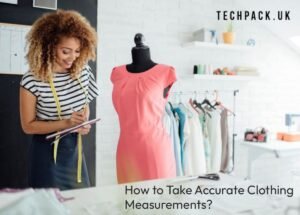
Achieving exact measurements requires the appropriate tools, reliable strategies, and an exhaustive understanding of measurement focuses. Following a reliable system guarantees that your garment plans are interpreted accurately into production.
Use Professional Tools
To guarantee accuracy, brands should use delicate measuring tapes, level measuring rulers, mannequins, or proficient fit models, and pattern-making devices. Using high-quality equipment guarantees that all measurements are exact and reliable.
Follow Standard Measurement Points
Manufacturers use specific focuses of measurement (POM) to ensure measurements are taken reliably. These incorporate the tall point bear (HPS), including chest width, clear armhole depth, neck area width, and rise. Reporting these in your tech pack helps manufacturers get it precisely where each measurement should be taken.
Account for Ease
Ease is the additional room included in a garment for comfort or fashion. Fitted garments such as bodycon dresses require negligible ease, whereas casual wear, loungewear, or oversized things require greater ease. Not bookkeeping for ease and accuracy can lead to garments being too tight or too loose.
Record Measurements Clearly
All measurements should be recorded clearly in your tech pack in well-organised tables. Each measurement should be compared to a specific point of measure and should include details for all sizes. Clear documentation avoids perplexity and guarantees the garment is delivered precisely.
How Clothing Measurements Influence Garment Fit
Different styles require different measurement strategies. The way you approach measurements depends on the planned fit of the garment.
A slim-fit garment highlights narrower chest, waist, and hip measurements with negligible ease. It requires accuracy in construction to guarantee it fits closely without limiting movement. Regular fit garments offer standard extents appropriate for everyday wear. They include direct access to guarantee consistency and portability. Oversized garments are intentionally free, featuring additional ease, wider shoulders, and extra length to accomplish the desired loose outline. Exact measurements for each fit guarantee consistency and help producers create garments that coordinate with your vision.
The Role of Tech Packs in Clothing Measurements
A techpack plays a basic role in ensuring your clothing measurements are captured and executed accurately by producers. It acts as the outline for garment production and incorporates all technical details required for exact construction.
A complete tech pack includes technical drawings that appear front, back, and side sees of the garment. It contains measurement charts with exact measurements for each measure, evaluating rules for scaling sizes, and diagrams that show the correct focus of degree. Construction details indicate crease allowances, sewing sorts, and materials. At techpack.uk, we deliver clear and exact tech packs that guarantee smooth generation, minimise errors, and help brands collaborate effectively with clothing manufacturers in the UK.
Common Measurement Mistakes to Avoid
Several measurement mistakes can cause critical issues in generation. One common botch is using inconsistent measuring focuses, which results in inaccurate test development. Another issue is coming up short to account for ease properly, which influences the expected fit of the garment. Brands may moreover make mistakes in evaluating by utilizing sporadic increases or skipping sizes altogether. Finally, not using a proficient fit show can lead to wrong body measurements, especially for garments requiring exact shaping.
Avoiding these botches guarantees a smoother generation process and decreases the require for exorbitant revisions.
How Clothing Manufacturers in the UK Use Measurements
Clothing manufacturers depend intensely on precise measurements to deliver garments effectively and accurately. Detailed measurement charts help manufacturers cut textures accurately, adjust patterns, and collect garments with reliable results. They moreover help diminish fabric wastage and guarantee high-quality finishing. With a clear tech pack from techpack.uk, producers can confidently deliver garments that meet your details.
A Simple Tech Pack Example: Measurement Table
Below is a simplified measurement table for a unisex T-shirt. This demonstrates the clarity required in a tech pack.
POM: Unisex T-Shirt
- Chest width (1 inch below armhole): S 50 cm / M 53 cm / L 56 cm
- Body length (HPS): S 70 cm / M 72 cm / L 74 cm
- Sleeve length: S 20 cm / M 21 cm / L 22 cm
- Neck width: S 17 cm / M 18 cm / L 19 cm
- Hem sweep: S 50 cm / M 53 cm / L 56 cm
This Tech Pack Example highlights how straightforward and clear measurement documentation should be during clothes manufacturing.
Conclusion: Mastering Clothing Measurements
Mastering clothing measurements is basic for any fashion brand looking to create garments that fit well, meet customer desires, and maintain reliable measurements. Exact measurements reduce blunders, improve proficiency, and make the entire production prepare smoother. Whether you are designing a basic T-shirt or a full regular collection, exact measurement charts and detailed tech packs are vital for success.
At techpack.uk, we help brands across the UK make proficient, manufacturer-ready tech packs that incorporate detailed estimations, clear graphs, and exact information for production. With our mastery, you can work confidently with clothing manufacturers in the UK and bring your plans to life with precision and quality.
FAQs: Mastering Clothing Measurements
- Why are Mastering Clothing Measurements important?
Accurate measurements guarantee garments fit accurately, diminish fabricating errors, and help keep up measuring consistency over collections.
- Do I need special tools to take measurements?
Yes, tools such as delicate measuring tapes, mannequins, rulers, and pattern-making hardware are basic for accuracy.
- Why are measurement charts included in a tech pack?
Measurement charts give producers exact measuring data to guarantee garments are made correctly.
- What happens if measurements are incorrect?
Incorrect measurements can lead to a poor fit, wasted materials, expensive test revisions, and generation delays.
- Does techpack.uk provide measurement-ready tech packs
Yes, techpack.uk specialises in making total tech packs with precise measurements, evaluating, and technical details.
