 Skip to content
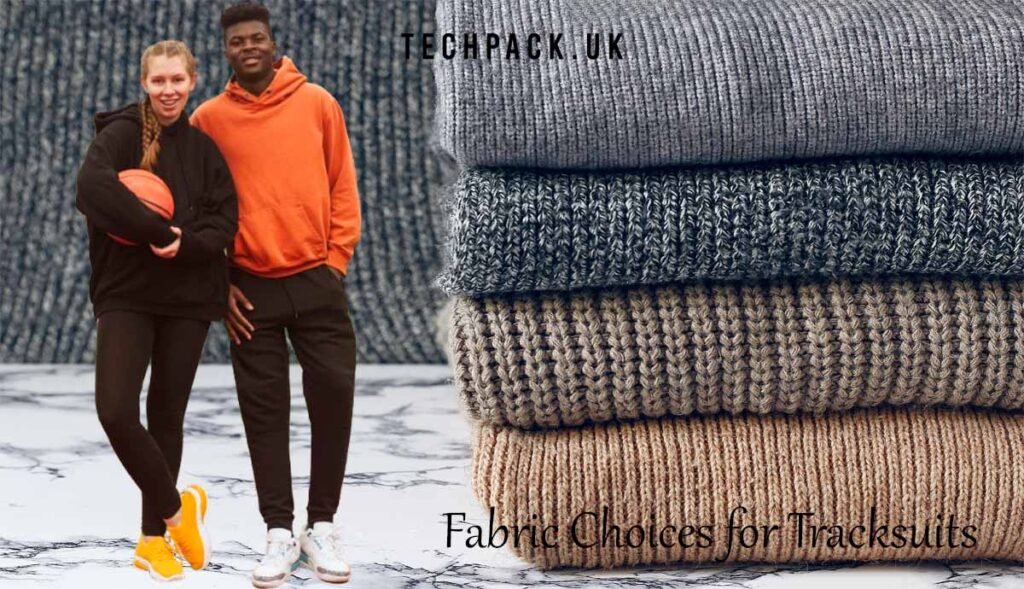
Tracksuits have come a long way from their beginnings as simple athletic uniforms. Today, they’re worn by proficient competitors, wellness enthusiasts, and fashion-forward buyers alike. The tracksuit is no longer fair useful — it’s an articulation of style, consolation, and performance.
But behind each effective tracksuit design lies one basic calculation: the choice of texture. The right fabric determines how the tracksuit feels, its performance during workouts, and its longevity. Whether your objective is to create high-performance athletic apparel, in-vogue streetwear, or comfortable loungewear, fabric selection plays a crucial role.
In this direct, we’ll investigate the best Fabric Choices for Tracksuits, their benefits, drawbacks, and how fashion brands can make the right decision for their collections.
Why Fabric Selection Matters in Tracksuits
A tracksuit may seem basic — a coat and matching pants — but the choice of fabric can make or break its success. Consider these key factors:
- Performance: Athletes need fabrics that wick away sweat, extend with movement, and provide durability.
- Comfort: Regular wearers lean toward delicate quality, breathability, and ease of movement.
- Style: Mold customers see for one-of-a-kind surfaces, colors, and wraps that stand out.
- Durability: A great tracksuit ought to keep up its shape, stand up to pilling, and withstand numerous washes.
Poor fabric choices can lead to shrinkage, blurring, or distress — all of which hurt brand reputation. That’s why mold brands pay close attention to fabric building before moving into the next generation.
Popular Fabric Choices for Tracksuits

Cotton
Cotton remains a well-known choice for lifestyle tracksuits.
- Pros:
- Soft, breathable, and skin-friendly.
- Provides all-day consolation for relaxing or casual wear.
- Cons:
- Absorbs sweat and dries slowly.
- May lose shape if not mixed with synthetics.
- Best For: Lifestyle and recreation tracksuits, loungewear sets.
Example: Famous 90s-inspired cotton tracksuits stay staples in streetwear collections.
Polyester
One of the most broadly utilized textures for execution tracksuits.
- Pros:
- Lightweight and durable.
- Quick-drying and wrinkle-resistant.
- Maintains color well after different washes.
- Cons:
- Less breathable compared to common fibers.
- Can feel engineered if not blended.
- Best for: Sports tracksuits, exercise center wear, and outdoor action gear.
Example: Professional competitors regularly depend on polyester-based tracksuits for preparing due to moisture-wicking properties.
Cotton-Polyester Blends
The culmination of consolation and performance.
- Pros:
- Combines the softness of cotton with the strength of polyester.
- Easier to care for and retains shape better than pure cotton.
- Cons:
- Quality changes depending on mix ratios (e.g., 60/40, 80/20).
- Best For: Ordinary wear, tracksuits with a lively yet smart appeal.
Example: Many advanced lifestyle brands utilize mixes to make flexible tracksuits appropriate for both wellness and fashion.
Nylon
A solid engineered choice regularly utilized in outerwear-style tracksuits.
- Pros:
- Strong, abrasion-resistant, and lightweight.
- Water-resistant properties make it reasonable for outdoor wear.
- Cons:
- Less breathable.
- Can feel firm without legitimate blending.
- Best For: Windbreaker-style tracksuits and outdoor sports collections.
Example: Retro-inspired shell suits made from nylon picked up ubiquity in the 80s and have stayed a fashion choice in streetwear culture.
Fleece
Ideal for colder climates and cozy styles.
- Pros:
- Warm, protective, and delicate against the skin.
- Provides consolation during winter or indoor lounging.
- Cons:
- Bulkier and less breathable for dynamic workouts.
- Best For: Winter tracksuits, loungewear, and lifestyle collections.
Example: Athleisure brands frequently discharge fleece-lined tracksuits during fall/winter seasons.
Velour
Luxurious and smart, velour tracksuits make a striking design statement.
- Pros:
- Plush surface with a gleaming finish.
- Eye-catching and delicate to the touch.
- Cons:
- Heavier than execution fabrics.
- Less suited for athletic use.
- Best For: Fashion tracksuits, celebrity-inspired collections, and extravagant loungewear.
Example: Velour tracksuits picked up ubiquity in the early 2000s design and proceeded to reemerge in high-fashion streetwear.
Spandex (Elastane / Lycra Blends)
A fundamental component in extended fabrics.
- Pros:
- Provides adaptability and opportunity for movement.
- Enhances consolation in fitted tracksuits.
- Cons:
- Rarely utilized alone; usually mixed with polyester or cotton.
- Best For: Sports and activewear tracksuits that require extension and mobility.
Example: High-performance running tracksuits regularly incorporate spandex mixes for included adaptability.
Specialized Fabric Options for Tracksuits
In addition to the standard textures, a few brands try:
- Bamboo Fabric: Eco-friendly, breathable, and actually antibacterial.
- Recycled Polyester: Sustainable choice, diminishing natural impact.
- Mesh Inserts: Utilized for ventilation in sports tracksuits.
- Terry Cloth: Lightweight and retentive, utilized in summer tracksuits.
Factors to Consider When Choosing Tracksuit Fabrics
When designing and making tracksuits, surface selection goes past aesthetics—it directly impacts comfort, execution, and long-term customer satisfaction. Whether you are a start-up brand or a set-up title in the dress fabricating industry, making the right surface choice is critical. Here are the key factors to consider:
Purpose of the Tracksuit

The first step is recognizing why the tracksuit is being made. Is it pointing to capable competitors, casual streetwear, or high-end extravagance design? Sports execution tracksuits frequently depend on moisture-wicking surfaces like polyester or nylon, which promote adaptability and toughness. Casual plan brands, on the other hand, may center on surfaces such as cotton blends or French terry to fulfill an in vogue, however comfortable look. Extravagance wear frequently demands premium materials such as velour or characteristic cotton to adapt to restrictiveness. A clear reason makes a distinction in streamlining the decision-making process in tech packs to dodge perplexity during manufacturing.
Climate and Seasonality
Tracksuits are worn year-round, but the climate unequivocally impacts texture choice. For hot summer months, lightweight polyester blends or cotton-poly textures allow breathability and comfort. In colder climates, more smoking materials such as fleece, velour, or brushed cotton ensure cover and coziness. Standard modifications must also be reflected in the tech pack, so makers can clearly understand which surface suits the collection’s climate conditions.
Target Market
Every brand has a one-of-a-kind audience. Competitors prioritize work, asking for materials that are breathable, versatile, and sweat-resistant. In contrast, fashion-forward clients regard arrangement, surface, and uniqueness, indeed, if it comes at the cost of specialized execution. Luxury buyers expect not as it were prevalent reassurance but moreover restrictiveness, which is routinely fulfilled through prudent or premium-grade textures. Characterizing your target audience in the dress creating handle ensures that the final thing resonates with the shopper’s expectations.
Durability and Maintenance
Tracksuits should withstand rehashed washing and standard wear. Polyester and nylon are known for their versatility, making them culminate for sportswear. Cotton, although sensitive and breathable, may shrink or fade without suitable care, and velour requires touchy upkeep. Drawing out surface care edifying in your tech packs is crucial to help makers keep up quality measures and decrease client complaints with respect to durability.
Budget and Brand Positioning
Finally, cost plays a tremendous part. Premium fabrics like common cotton, reused polyester, or velour overhaul brand acknowledgment but increase era costs. On the other hand, cost-effective blends such as polyester-cotton are broadly utilized in mass-market collections. Altering texture choice with your brand’s positioning guarantees an advantage while keeping up quality. Recording budget-friendly versus premium surface choices in the tech pack gives makers adaptability and keeps production balanced with monetary destinations.
Fabric Comparisons at a Glance

| Fabric Type | Comfort | Breathability | Durability | Best Use Case |
| Cotton | ★★★★★ | ★★★★☆ | ★★★☆☆ | Lifestyle, loungewear |
| Polyester | ★★★★☆ | ★★★☆☆ | ★★★★★ | Sports, activewear |
| Cotton-Poly Blend | ★★★★★ | ★★★★☆ | ★★★★☆ | Versatile all-purpose |
| Nylon | ★★★☆☆ | ★★☆☆☆ | ★★★★★ | Outdoor, windbreakers |
| Fleece | ★★★★★ | ★★☆☆☆ | ★★★★☆ | Winter, cozy tracksuits |
| Velour | ★★★★★ | ★★★☆☆ | ★★★☆☆ | Fashion, luxury |
| Spandex Blends | ★★★★☆ | ★★★★☆ | ★★★★☆ | Sports, fitted designs |
Final Thoughts
Fabric is the foundation of an awesome tracksuit. It doesn’t matter how the garment feels—it too decides how it performs, how long it endures, and eventually how clients interface with your brand. Whether you’re focusing on the sportswear advertisement, luxury design, or casual loungewear, the choice of texture plays a basic part in defining your collection’s identity.
For example, breathable cotton offers magnificent comfort and is often favored for loungewear or athleisure wear that prioritizes delicate quality and ease of wear. Durable polyester, on the other hand, is built for performance—its moisture-wicking and quick-drying properties make it the best choice for competitors and wellness devotees. Meanwhile, sumptuous textures such as velour or natural mixes raise tracksuits into the premium or high-fashion category, conveying eliteness and glory to your brand image.
At Techpack.uk, we understand that each brand’s vision is one of a kind, and so are the fabric decisions behind it. That’s why we specialize in directing fashion businesses through the whole process with our Fashion Tech Pack services. Our tech packs don’t provide texture specifications—they incorporate points of interest like weight (GSM), wraps up, extend rate, solidness requirements, and indeed care instructions, guaranteeing that producers interpret your imaginative vision into garments that meet professional standards.
The fabric you select also communicates your brand’s values. Eco-conscious customers, for example, are progressively drawn to economical textures like natural cotton, recycled polyester, or bamboo mixes. Choosing these materials not only progresses your natural impression but also builds belief and dependability with a group of onlookers that values moral mold. Counting maintainability notes in your tech pack, too, guarantees consistency through the dress fabricating process.
With the right fabric and expert guidance, your tracksuit collection can stand out in both execution and fashion. Whether you’re designing breathable sportswear for competitors, cozy loungewear for regular consolation, or articulation pieces for luxury markets, making informed fabric choices ensures your brand lives up to its promise. At Techpack.uk, we offer assistance to brands that strike a balance between creativity, quality, and function—so each tracksuit reflects your brand’s genuine character.
FAQs: Fabric Choices for Tracksuits
- Which fabric is best for gym tracksuits?
Polyester or polyester-spandex mixes are the best for gym wear. They’re lightweight, moisture-wicking, and adaptable, making them perfect for workouts.
- Are cotton tracksuits good for summer?
Cotton is breathable but retains sweat, which makes it less perfect for serious workouts. For summer casual wear, cotton tracksuits are comfortable.
- What fabric is best for winter tracksuits?
Fleece and velour are great for colder climates as they give warmth and insulation.
- Which tracksuit fabric endures the longest?
Polyester and nylon are profoundly tough, standing up to wear and tear indeed after different washes.
- Can sustainable fabrics be utilized for tracksuits?
Yes. Bamboo, natural cotton, and reused polyester are eco-friendly alternatives that numerous modern brands are embracing.
