 Skip to content
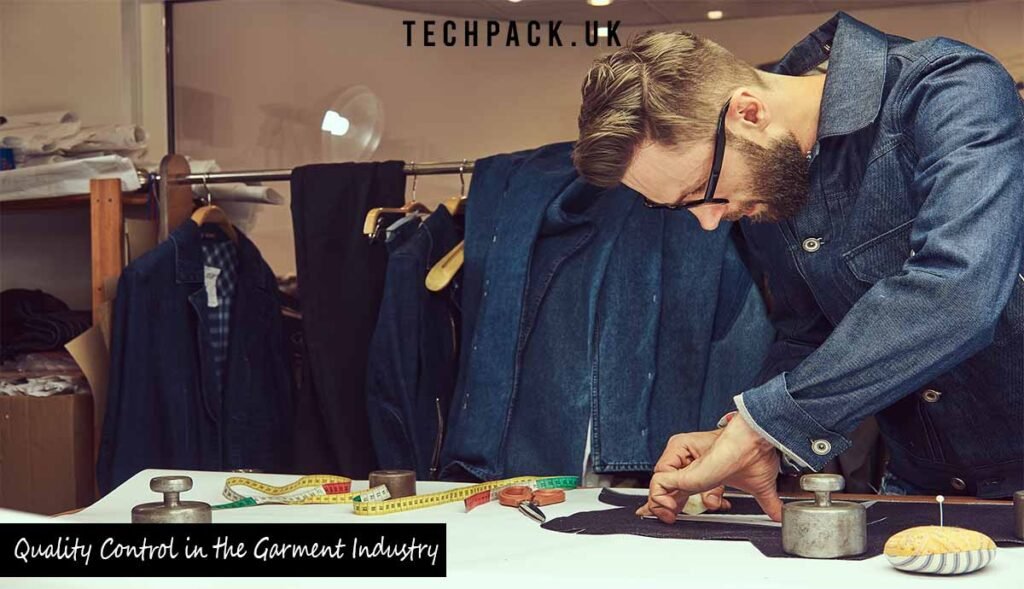
The global fashion industry is evolving at a quick pace. With increasing consumer expectations, strong competition, and the fast growth of e-commerce, guaranteeing quality control in the garment industry has become more important than ever. Today’s customers expect immaculate products—whether it’s extravagant couture or fast-fashion essentials. Even a single imperfection can harm a brand’s notoriety, lead to expensive returns, and erode customer loyalty.
Quality control is not fair around spotting issues at the conclusion of the production line—it’s approximately building processes that anticipate errors from the exceptionally beginning. From fabric choice to sewing precision, every detail plays a role in conveying garments that meet both brand guidelines and customer expectations.
At techpack.uk, we specialize in helping fashion brands streamline generation with proficient Fashion Tech Pack creation and tech pack services. A well-prepared tech pack acts as the spine of your quality control prepare, bridging the crevice between imaginative design and specialized execution. It gives producers clear information on fabrics, trims, estimations, and wrapping up details—eliminating mystery and ensuring consistency over each generation run.
In this article, we’ll investigate what garment quality control truly implies, why it things for both startups and established design houses, how it works in practice, and most critically, how Fashion Tech Packs can transform your QC process into a reliable system that ensures precision, efficiency, and brand success.
What is Quality Control in the Garment Industry?
Quality control (QC) refers to an orderly approach utilized to maintain measures in garment manufacturing. It includes checking textures, trims, construction, and wrapping up to guarantee that each garment meets the required specifications.
From the minute crude materials arrive at the production line to the last bundled item, each step requires checks and equalizations. Without QC, even the smartest plan can come up short in the showcase due to abandonment, destitute toughness, or conflicting sizing.
In fashion manufacturing, quality control is not fair around assessing wrapped garments. It begins with design precision, proceeds through generation checking, and closes with the last item assessment.
Why is Quality Control Important in Fashion Manufacturing?

1. Customer Satisfaction
In today’s competitive fashion scene, customer fulfillment is everything. Advanced buyers are exceedingly quality-conscious—they need garments that not as it were see stylish but moreover stand the test of time. Indeed, one ineffectively made piece can result in negative surveys, expensive returns, and a loss of customer belief. By executing a strong quality control framework, design brands can guarantee that each product conveyed matches the guaranteed plan and standard. A Fashion Tech Pack plays an imperative part here by clearly laying out texture choices, sewing strategies, and wrapping up details—helping producers convey consistency that delights customers.
2. Cost Efficiency
One of the greatest advantages of quality control is increased effectiveness. Identifying and redressing errors early in the generation prevents costly rework, wasted crude materials, and shipment delays. An imperfect garment caught at the last review stage is more expensive than one rectified at the examining stage. By giving exact tech pack services, brands can minimize errors with factories, decrease production errors, and save thousands in wasted assets. In the long run, contributing to quality control really lowers fabrication costs while boosting profitability.
3. Brand Reputation
Your brand notoriety is built on consistency. Whether you are creating luxury design or fast-fashion collections, customers anticipate the same quality in each thing they buy. Strict quality control guarantees garments align with your brand’s promise—be it premium craftsmanship, toughness, or trend-driven design. A single irregularity can debilitate your validity. At techpack.uk, we make Fashion Tech Packs that act as a quality benchmark for producers, guaranteeing each generation run keeps up the same standard, season after season.
4. Global Compliance
Fashion brands offering globally must explore a complex web of global compliance regulations. For example, children’s wear must meet safety guidelines such as choking danger controls, whereas U.S. markets force combustibility laws on garments. Failing to meet these compliance measures can result in legitimate issues, item reviews, and reputational harm. Solid quality control forms, upheld by detailed tech packs, offer assistance for brands to remain compliant with territorial laws by ensuring fabrics, trims, and accessories meet required security certifications before production starts.
5. Sustainability
Sustainability is no longer optional—it’s a need in today’s fashion industry. Wastage due to rejected or imperfect garments is a major contributor to natural harm. By minimizing generation errors, quality control underpins eco-friendly homes, such as lessening squander, conserving resources, and reducing carbon emissions. A well-structured Fashion Tech Pack helps adjust your brand with sustainable generation, guaranteeing that each garment is made right from the to begin with time. This is not as it were improving productivity, but moreover fortifies your brand’s positioning as an eco-conscious business.
Key Stages of Quality Control in the Garment Industry
1. Pre-Production Quality Control
Before the generation starts, fabrics, trims, and extras experience tests for shrinkage, colorfastness, tear quality, and chemical security. A well-prepared Fashion Tech Pack guarantees that each specification—fabric sort, GSM, color codes, and trims—matches expectations.
2. In-Line Quality Control
During production, garments are assessed at different intervals to distinguish issues early. This arrangement centers on sewing exactness, crease quality, arrangement, and measuring. In-line QC prevents large-scale mistakes that can destroy an entire batch.
3. Final Quality Control
Once the generation is total, the wrapped up garments are checked against the unique tech pack. Examiners look for abandons such as free strings, uneven creases, loose wrapping, or off-base bundling. As it were, after passing this arrangement, garments are affirmed for shipment.
Common Quality Issues in Garment Manufacturing

Despite careful planning, certain issues are regularly found amid QC checks:
- Fabric Defects: Gaps, stains, or uneven dyeing.
- Sizing Errors: Off-base estimations compared to the tech pack.
- Stitching Issues: Broken strings, skipped fastens, or free seams.
- Color Variations: Jumbled shades in bulk orders.
- Faulty Accessories: Broken zippers, loose buttons, or damaged trims.
- Poor Finishing: Uneven fixes, puckered creases, or an abundance of threads.
A proficient Fashion Tech Pack minimizes these issues by clearly documenting each prerequisite.
How Fashion Tech Packs Support Quality Control
A Fashion Tech Pack is basically the outline of a garment. It contains specialized drawings, estimations, construction points of interest, color references, fabric details, and wrapping up rules. Without one, producers are left to decipher plans, which leads to miscommunication and quality issues.
At techpack.uk, our tech pack services offer assistance to design brands by:
- Defining correct details to dispel guesswork.
- Providing detailed estimation charts for measuring accuracy.
- Including high-quality, specialized drawings for clarity.
- Specifying trims, fabrics, and color codes to keep up consistency.
- Offering revision bolster to keep the generation adjusted with the design.
In short, a tech pack becomes the foundation for quality control. It guides manufacturers, QC teams, and creators, ensuring everyone is on the same page.
Best Practices for Implementing Quality Control in Fashion
- Develop Detailed Tech Packs
Every garment ought to start with a comprehensive Fashion Tech Pack that clearly communicates expectations.
- Work with Reliable Manufacturers
Partner with providers who esteem quality and adhere to universal standards.
- Standardize QC Procedures
Use globally recognized benchmarks like AQL (Acceptable Quality Level) for inspections.
- Train QC Teams
Inspectors must be prepared to recognize, indeed, minor surrenders that may influence client satisfaction.
- Conduct Random Batch Inspections
Don’t rely on pre-production or last checks—random checks throughout production keep factories accountable.
- Use Technology
Digital apparatuses, AI-based deformity location, and robotized measuring frameworks are cutting-edge arrangements that enhance QC accuracy.
The Role of Quality Control in Building a Sustainable Fashion Brand

Sustainability is no longer discretionary in today’s fashion—it’s a need. Each imperfect garment leads to squandered fabric, colors, trims, labor hours, and shipping assets. Without solid quality control, brands risk overproduction, abundance squander, and disappointed customers. By executing effective QC, design brands:
- Reduce Waste – Fewer dismissals cruel less material being disposed of.
- Extend Garment Lifespan – Strong, well-made dresses remain in circulation longer.
- Lower Environmental Impact – Optimized generation spares vitality and resources.
- Improve Brand Image – Buyers believe eco-conscious, quality-driven brands.
At techpack.uk, our Fashion Tech Pack services back feasible fashion by guaranteeing each detail—measurements, materials, and construction—is communicated clearly to producers. This avoids expensive errors, diminishes squander, and makes a difference brands adjust with both quality and sustainability goals.
In brief, quality control is the spine of sustainable fashion—helping brands save cash, protect the environment, and build long-term client devotion.
Final Thoughts: Quality Control in the Garment Industry
In the fast-paced fashion industry, quality control is no longer just an operational requirement—it’s a brand differentiator. Clients nowadays request style, consolation, and strength, and as it were, brands with strict QC processes can reliably deliver.
By combining strong quality control frameworks with detailed Fashion Tech Packs, brands can diminish dangers, save costs, and construct long-term client loyalty. At techpack.uk, we give expert tech pack services that not as it were streamline production but also guarantee your garments meet the highest quality standards.
If you’re prepared to hoist your garment generation with exactness, effectiveness, and unmatched quality, get in touch with techpack.uk nowadays.
FAQs on Quality Control in the Garment Industry
Q1: What role does a Fashion Tech Pack play in garment quality control?
A Fashion Tech Pack gives detailed information that producers and QC groups take after. It dispenses with mystery, guarantees consistency, and acts as a reference point for each range of production.
Q2: What are the most common garment defects found during inspections?
Common absconds include sewing errors, fabric imperfections, loose buttons, misaligned creases, and off-size sizing.
Q3: How often should QC checks be carried out?
Quality checks ought to be done at three stages: pre-production, in-line generation, and final assessment. A few brands also conduct arbitrary group checks for included assurance.
Q4: Can outsourcing tech pack services move forward in garment quality?
Yes. Outsourcing to experts like techpack.uk guarantees your tech packs are exact, detailed, and production-ready, decreasing exorbitant mistakes and improving garment quality.
Q5: Why is QC especially critical for startups and small brands?
Startups cannot manage high return rates or client dissatisfaction. Strong QC supported by precise tech packs makes a difference for little brands to set up validity quickly.
Q6: How does QC contribute to sustainability in fashion?
By reducing dismissals, wastage, and overproduction, QC specifically underpins feasible goals and minimizes the industry’s natural impact.
